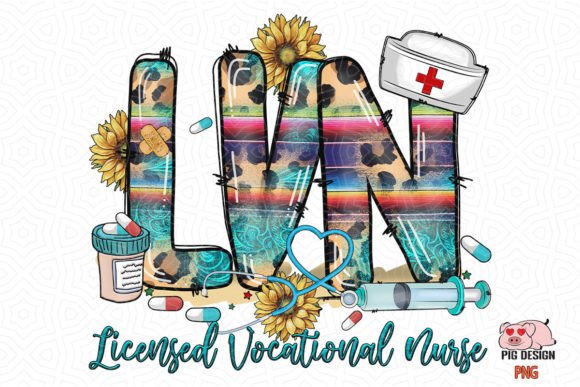
Reviewing LVN Vocational Nurse Sublimation for Embroidery
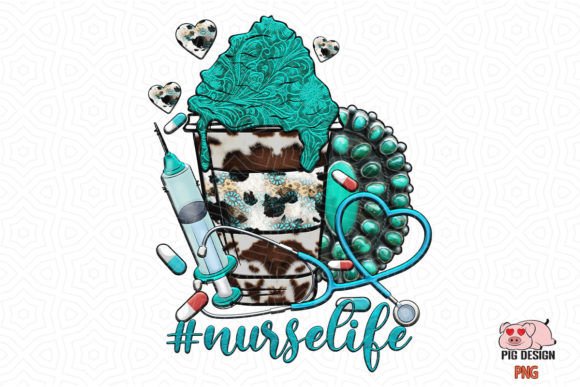
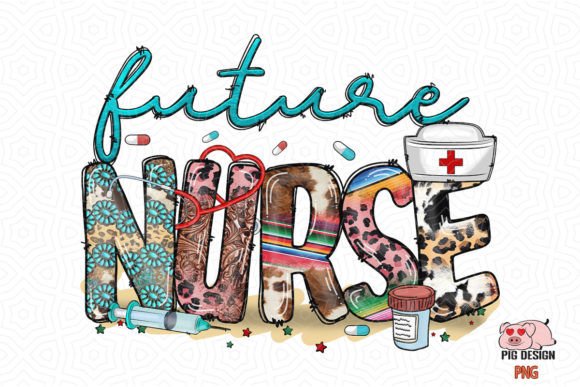
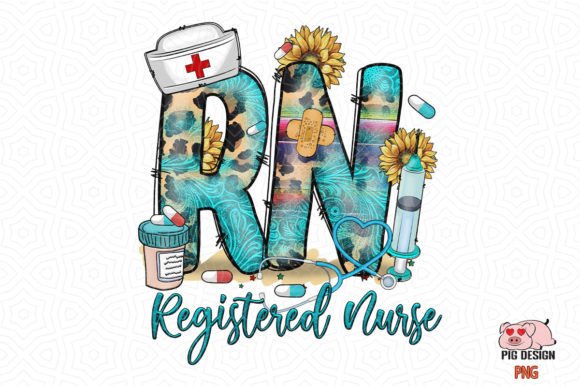
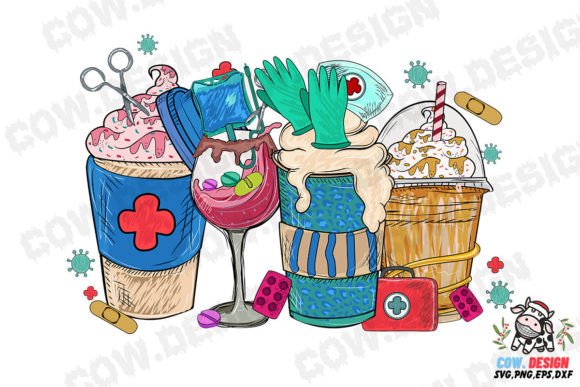
As a designer who spends more time staring at stitch simulations than I do sleeping, I approach every new digital embroidery file with a mix of excitement and skepticism. When I first pulled up the LVN Vocational Nurse Sublimation design on my screen, my immediate reaction wasn't just about the aesthetic; it was about translation. How does a graphic meant for sublimation hold up when translated into thread? This is the critical question for any craft business owner or Etsy seller looking to expand their product line beyond printed tees into the realm of textured, high-value handmade products.
The visual personality of this design strikes a professional yet warm chord. It carries the weight of the nursing profession without feeling overly clinical. The layout suggests a balance between bold statement pieces and subtle branding, which is exactly what we need for modern custom apparel. However, moving from a flat sublimation graphic to a stitched reality requires a keen eye for detail. Let's break down how this specific asset performs in a real-world embroidery project.
From Screen to Stitch: First Impressions and Mood
The first thing I noticed about the LVN Vocational Nurse Sublimation concept is its versatility in mood. It feels celebratory, perfect for graduation gifts or welcome-to-the-profession presents, yet dignified enough for daily wear. When evaluating a design for conversion or adaptation, I look at the shape and flow. Does it have clear boundaries? Are there areas that might get lost in the fabric texture?
In this case, the thematic elements are strong. If you are adapting this graphic into a machine embroidery design, you are likely looking at a combination of satin stitch for outlines and text, and fill stitch for larger graphical elements. The "sublimation" origin implies vibrant color blocks, which translates beautifully to embroidery if managed correctly. The design naturally belongs on items that celebrate identity—scrub tops, tote bags for clinical rotations, or even a cozy sweatshirt for those long night shifts.
Real-World Application: The Clinical Tote Scenario
To truly test the viability of this design, I imagined a specific client request: a custom tote bag design for a group of nursing students graduating next month. They wanted something durable, washable, and distinct from the usual printed canvas bags. This is where LVN Vocational Nurse Sublimation shines as a conceptual base.
For a tote bag, the fabric is usually a heavier cotton or canvas. This provides a stable foundation for higher stitch density. If I were digitizing this sublimation art for embroidery, I would ensure the lettering is thick enough to prevent puckering. A running stitch might be too delicate here; instead, a tight satin column would give the text the durability it needs for carrying heavy textbooks and stethoscopes. The result would be a finished product that feels premium. Customers react better to texture; touching an embroidered logo creates a sense of quality that a flat print simply cannot match.
Beyond totes, consider sweatshirt embroidery. A fleece hoodie featuring this design makes an excellent holiday gift or self-care item for a stressed nurse. The softness of the fleece contrasts nicely with the structured look of the embroidery, elevating the perceived value of the garment. For small shop products, this differentiation is key to standing out in a crowded marketplace.
Navigating Technical Challenges and Fabric Choices
While the design concept is strong, practical application requires caution. Not every surface is friendly to complex stitching. If you plan to use this on a cap or hat, remember that curved surfaces distort designs. You must account for push-pull factors in your digitizing process. The center of a cap is unforgiving; if the LVN Vocational Nurse Sublimation design has intricate corners or tiny details, they may merge together when stitched on a curved brim.
Similarly, be wary of stretchy fabrics. If a customer wants this on a performance scrub top, standard stabilizers might not be enough. You would need a cut-away stabilizer to prevent the design from warping after multiple washes. Thin fabrics present another hurdle. If the original sublimation art relies on large solid areas of color, translating that directly to a dense fill stitch on a thin poly-blend could cause tunneling or stiffness. In these cases, simplifying the design or using an applique design technique might be smarter. By layering a piece of fabric and stitching over it, you reduce the stitch count while maintaining the bold color blocks inherent to the sublimation style.
Dark fabrics also require strategic thinking. Sublimation graphics often rely on white space or light colors that pop against a background. In embroidery, you cannot "print" white ink; you must stitch it. Ensure your thread colors offer high contrast. If the design includes fine lines, test them on black or navy fabric first to ensure they don't get lost in the shadows of the stitches.
Enhancing Brand Value and Customer Trust
Why go through the trouble of converting a sublimation graphic to embroidery? It comes down to brand consistency and trust. For commercial embroidery projects, the tactile nature of thread signals effort and quality. When a buyer sees an embroidered patch or logo, they subconsciously assign a higher price point to the item. This is crucial for creative entrepreneurs building a boutique brand.
Using LVN Vocational Nurse Sublimation as a basis for embroidery allows you to create cohesive design assets. You can offer the printed version for budget-conscious clients and the embroidered version for those seeking luxury. This dual approach maximizes your market reach. Furthermore, for personalized gifts, embroidery adds a layer of permanence. A printed name might fade after fifty washes; stitched threads will likely outlast the garment itself. This longevity builds customer loyalty and encourages repeat business.
Practical Notes for the Studio
Before you commit to producing a batch of these for your Etsy listings or craft fair booth, follow these practical steps:
- Test on Scrap Fabric: Never skip the stitch-out. Use the exact fabric type your customer requested to check for puckering or registration issues.
- Check Thread Contrast: View your design in black and white mockups. If the details disappear in grayscale, they will likely get lost on dark fabrics.
- Review Stitch Density: High density looks lush but can make fabric stiff. Balance aesthetics with wearability, especially for baby embroidery or sensitive skin applications.
- Confirm Hoop Size: Ensure the design fits within your available hoop sizes without needing excessive re-hooping, which risks misalignment.
- Inspect Small Details: Tiny lettering is the enemy of durability. If the text in the design is too small, suggest enlarging it or simplifying the font for the stitched version.
- Verify Licensing: Since this originates as a sublimation design, double-check the license terms. Does it allow for derivative works like embroidery? Confirm this before selling finished products or digital adaptations.
In the world of Crafts, the difference between a good product and a great one often lies in the execution. The LVN Vocational Nurse Sublimation design offers a solid foundation for meaningful, professional-grade goods. By respecting the limitations of the medium and leveraging the strengths of thread, you can transform a simple graphic into a cherished keepsake. Whether you are decorating a single apron for a local clinic or launching a full line of nursing apparel, thoughtful adaptation is your most powerful tool.