Coffee Latte Drink Nurse Sublimation: A Designer's Review
When I first pulled up the Coffee Latte Drink Nurse Sublimation file on my screen, my immediate reaction wasn't just about the cuteness of the theme; it was about the potential translation from a flat digital image to a textured, stitched reality. As someone who spends hours digitizing and reviewing designs for real-world application, I look past the initial "aww" factor to ask the hard questions: How will this actually stitch out? Will the details hold up on a sweatshirt? Is this viable for a small shop product line? This design sits squarely in the Crafts category, but its utility extends far beyond a simple hobby project.
First Impressions and Visual Personality
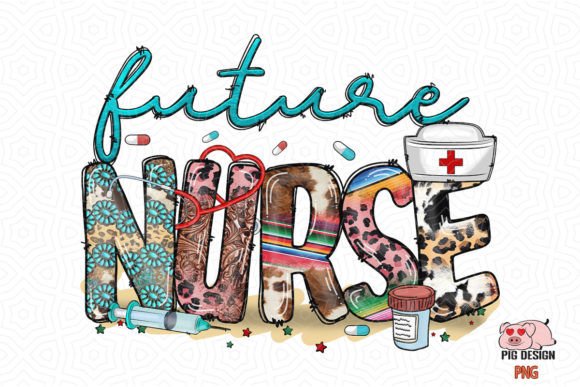
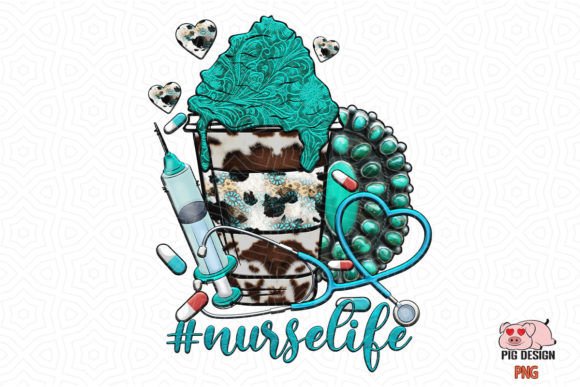
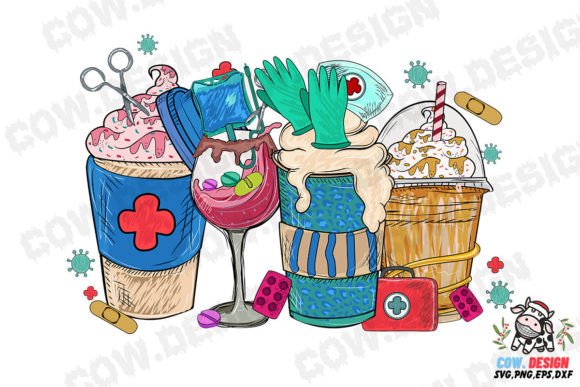
The visual personality of this design is warm, inviting, and instantly recognizable. It taps into two massive cultural touchstones: the universal love for coffee and the enduring appreciation for healthcare workers. The layout typically features a steaming latte cup, often adorned with a stethoscope or a subtle medical cross, creating a narrative that feels personal and professional simultaneously. For an embroidery project, the mood is cozy yet respectful. It's not overly clinical, which makes it perfect for off-duty wear or personalized gifts.
However, from a technical standpoint, the transition from a sublimation graphic to a machine embroidery design requires careful scrutiny. Sublimation relies on gradients and soft edges, whereas embroidery relies on distinct stitch types like satin stitch, fill stitch, and running stitch. If you are using this as a reference to create an embroidered version, or if the product includes an embroidery file adaptation, you need to evaluate how those soft coffee foams and steam wisps are handled. Are they simplified into solid blocks of color, or is there an attempt to mimic gradients with thread blending? The latter looks stunning but increases production time and complexity.
Real-World Application Scenarios
Let's imagine a realistic scenario: You run a small boutique catering to local hospital staff. You want to create a line of custom apparel for nurses to wear during their breaks or as part of a "Nurse Appreciation Week" gift bundle. The Coffee Latte Drink Nurse Sublimation theme is ideal here. Picture this design centered on the chest of a heather grey fleece pullover. The warmth of the coffee motif complements the soft texture of the fleece, creating a handmade product that feels premium.
Another strong use case is the tote bag design. Nurses often carry heavy loads—charts, snacks, water bottles, and personal items. A sturdy canvas tote featuring this motif serves as both a functional tool and a badge of pride. When executed as an embroidered patch sewn onto the bag, the durability is significantly higher than a printed sublimation image, which might crack or fade after repeated washing. For an Etsy seller, offering this as a made-to-order item adds significant value compared to mass-produced prints.
We also cannot overlook the holiday embroidery potential. During the winter season, this design could be adapted for mug rugs or kitchen towels. Imagine a set of tea towels for a nurse's home, featuring the latte design alongside festive elements. It transforms a standard household item into a thoughtful, personalized gift that acknowledges the recipient's profession without being too formal.
Technical Challenges and Fabric Considerations
While the aesthetic is strong, practical execution requires navigating several technical hurdles. One major consideration is stitch density. If the design attempts to replicate the creamy texture of latte foam with dense fill stitches, it can become stiff and board-like, especially on lighter fabrics. On a thin cotton t-shirt, high density can cause puckering, ruining the drape of the garment. Conversely, on a thick sweatshirt embroidery project, that same density might get lost if the pile of the fabric swallows the stitches.
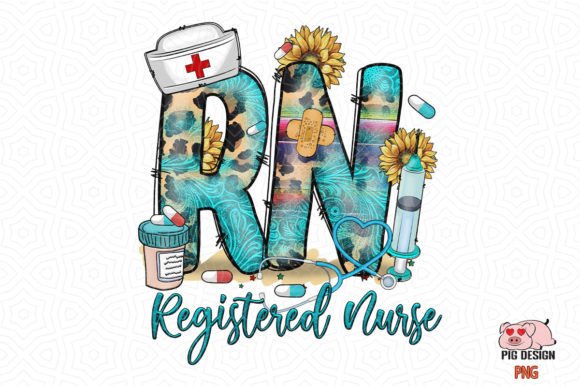
Curved surfaces present another challenge. If you plan to apply this to a cap or hat, the layout must account for the curvature of the front panel. A wide design might distort at the edges, making the text or the cup shape look warped. In these cases, scaling down the hoop size and simplifying the outer details is crucial. Tiny lettering, often found in these niche designs (like "RN" or "Nurse Life"), needs to be checked carefully. If the text is too small relative to the thread weight, it will become an unreadable blob of thread rather than crisp typography.
Fabric texture also plays a pivotal role. On textured fabrics like waffle knit or terrycloth, fine details such as the steam rising from the cup or the intricate lines of a stethoscope may get lost. For these materials, a bolder version of the design with thicker outlines and fewer internal details is preferable. Additionally, when working with dark fabrics, ensure that the thread colors have enough contrast. A light beige thread for the coffee cup might vanish against a navy blue scrub top unless an underlay or backing is used effectively.
Enhancing Brand Value and Customer Trust
For creative entrepreneurs, the quality of the finished stitch directly impacts brand consistency and customer trust. A sloppy execution of the Coffee Latte Drink Nurse Sublimation motif can make a small shop product look amateurish. However, a clean, well-digitized version elevates the perceived value. It signals to the buyer that care was taken in the creation process. This attention to detail fosters buyer engagement and encourages repeat business.
When creating printable mockups or digital previews for your online store, accuracy is key. Ensure that the digital representation matches what the customer will receive. If the sublimation version is smooth and the embroidered version is textured, make that distinction clear in your product photos. This transparency manages expectations and reduces return rates. Furthermore, using this design across a cohesive line of products—from aprons to pillow covers—helps in building a recognizable brand identity within the niche medical-crafter community.
Practical Notes for the Studio
Before committing to a full production run, adhere to these practical steps:
- Test on Scrap Fabric: Always stitch a sample on the exact fabric type you intend to sell. What looks good on muslin might behave differently on performance polyester blends common in scrubs.
- Check Stabilizer: Use the appropriate stabilizer for the fabric weight. Cut-away stabilizer is often best for stretchy knits to prevent distortion over time, while tear-away works for stable wovens.
- Review Thread Contrast: View your test stitch-out in black and white (or take a photo and desaturate it) to ensure the tonal values separate clearly.
- Verify Licensing: Crucially, confirm the licensing terms. Just because a design is available for purchase does not automatically grant rights for commercial embroidery or resale as a digital embroidery file. Ensure you are compliant before listing items on Etsy or your own site.
- Inspect Small Details: Zoom in on the digitized file to check for jump stitches or unnecessary trims that could slow down production.
In conclusion, the Coffee Latte Drink Nurse Sublimation concept holds immense promise for the right application. It bridges the gap between personal passion and professional identity. Whether you are creating a single baby embroidery item for a colleague's newborn or launching a full line of boutique merchandise, the key lies in respecting the limitations of the medium. By paying attention to fabric choice, stitch density, and finishing details, you can transform a simple graphic into a cherished, tangible asset that resonates deeply with your audience.