Reviewing Damask Seamless Pattern for Real Embroidery Projects
When I first pulled up the Damask Seamless Pattern on my screen, my immediate reaction wasn't just about aesthetics; it was about feasibility. As a designer who spends hours hooping fabric and troubleshooting thread breaks, I look at every machine embroidery design through a lens of practical application. Does this look good on a mockup? Sure. But will it survive a wash cycle on a heavy cotton tote? Will the density cause puckering on a knit sweatshirt? This review breaks down how this specific pattern holds up when moved from a digital preview to a tangible, stitched reality.
The Visual Mood and Design Personality
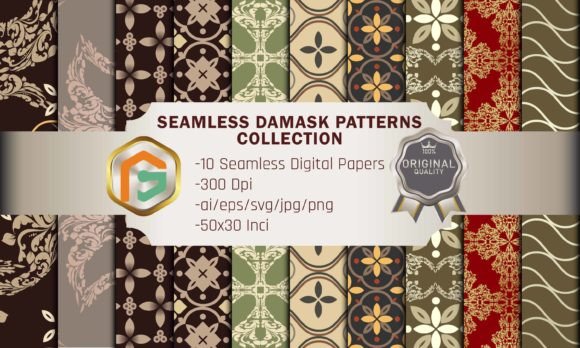
The Damask Seamless Pattern carries a classic, sophisticated weight. Unlike trendy, minimalist line art that dominates current social media feeds, this design leans into tradition. It evokes a sense of heritage and luxury, making it an ideal candidate for boutique branding or high-end personalized gifts. The layout suggests a repeating motif that relies heavily on balanced symmetry. Visually, it creates a textured background rather than a focal point, which is a crucial distinction for any embroidery project.
In terms of visual personality, the pattern feels dense and rich. If you are aiming for a "quiet luxury" vibe in your handmade product line, this fits perfectly. However, that richness comes with a caveat: detail level. In a digital printable mockup, the curves look smooth. In actual stitching, those curves depend entirely on the quality of the digitizing. My concern with damask styles is often the transition between light and shadow areas. If the stitch density isn't managed well, the design can look like a solid blob of thread rather than an intricate pattern.
Real-World Application: The Boutique Tote Scenario
To truly test the viability of this design, I imagined a specific real-life scenario: producing a run of custom canvas tote bags for a local farmer's market vendor. The client wanted something elegant but durable. The Damask Seamless Pattern seemed perfect for an all-over print effect or a large panel insert.
Here is where the rubber meets the road. On a sturdy canvas, the pattern shines. The fabric provides enough stability to handle the likely higher stitch count of a damask motif without warping. The result would be a finished product that feels substantial and expensive. Customers touching the bag would feel the texture of the satin stitch or fill stitch areas, adding tactile value that prints cannot replicate.
However, if I were to apply this same embroidery file to a thin linen tea towel or a stretchy jersey sweatshirt embroidery project, I would proceed with extreme caution. The seamless nature of the pattern means there are no hard edges to contain the tension. On stretchy fabrics, this could lead to significant distortion unless a high-quality cut-away stabilizer is used. For a small shop product line, consistency is key. If one bag comes out puckered and the next is flat, it damages brand trust. Therefore, this design is best reserved for stable, woven fabrics like denim, canvas, or heavy cotton twill.
Navigating Technical Challenges
Every designer knows that the devil is in the details, and with a pattern like Damask Seamless Pattern, those details are everywhere. When evaluating where to use this carefully, consider the following constraints:
- Hoop Size Limitations: Since this is a seamless pattern, you are likely looking to tile it or run it across a large area. You must confirm the available hoop size on your machine. If the repeat unit is larger than your maximum hoop, you will face alignment nightmares trying to match the pattern across multiple stitches.
- Fabric Texture: On textured fabrics like terrycloth or heavy fleece, fine details in a damask design can get lost. The thread colors might blend together visually, reducing the clarity of the motif.
- Dark Fabrics: Damask relies on contrast. If you are stitching light thread on dark fabric, ensure the underlay is sufficient to prevent the base fabric from peeking through the gaps, which can ruin the seamless illusion.
- Curved Surfaces: Avoid using this on caps or curved hats unless the pattern is specifically digitized for that curvature. A flat seamless pattern will distort significantly on the front panel of a cap.
Enhancing Brand Value and Customer Perception
Why go through the trouble of embroidering a complex pattern instead of printing it? The answer lies in perceived value. An embroidered patch or direct stitch using Damask Seamless Pattern signals effort and quality. For an Etsy seller or creative entrepreneur, this translates to higher price points. Customers associate embroidery with longevity. A personalized gift featuring this pattern feels heirloom-quality, suitable for wedding gifts, nursery decor, or holiday embroidery projects where presentation matters.
Furthermore, using a cohesive pattern across different items—say, matching pillow covers and aprons—creates strong brand consistency. It shows professionalism. When a customer sees that the design assets you use are intricate and well-executed, they trust your craft business more. It moves your offerings from "homemade" to "hand-crafted artisan."
Practical Notes for the Working Designer
Before you commit to selling items made with Damask Seamless Pattern, here is my checklist for ensuring success:
- Test on Scrap First: Never skip this. Stitch the design on the exact fabric you intend to sell. Check for puckering, thread breaks, and registration issues.
- Check Thread Contrast: View your test stitch-out in black and white. If the pattern disappears without color, the contrast between the running stitch outlines and fill areas may be too low.
- Verify Licensing: This is critical for commercial embroidery. Ensure the license allows you to sell finished physical goods. Some designers restrict the number of items you can sell or prohibit digital resale entirely.
- Stabilizer Selection: Given the likely density of a damask design, err on the side of more support. A mesh cut-away is often safer than tear-away for garments that will be washed frequently.
- File Format Compatibility: Confirm that the digital embroidery file provided matches your machine's native format to avoid conversion errors that can alter stitch paths.
In conclusion, the Damask Seamless Pattern is a powerful tool in the right hands. It belongs in the toolkit of a designer who understands fabric behavior and respects the limitations of their machinery. It is not a "set it and forget it" design; it demands attention to stabilizer, fabric choice, and hoop placement. But when executed correctly on appropriate materials, it elevates a simple tote bag design or baby embroidery piece into a statement of quality. For those willing to do the prep work, the payoff is a stunning, professional finished product that stands out in a crowded marketplace.