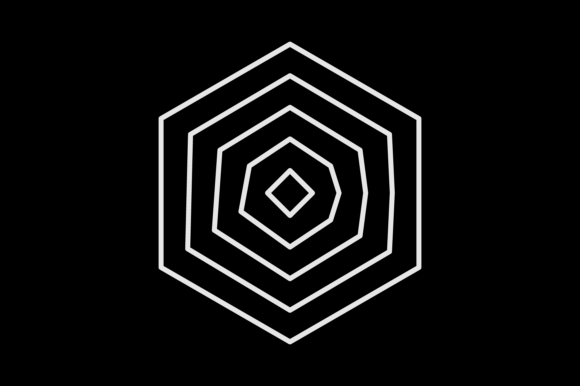
Universal Shape Design Square Pattern: A Designer's Review
When I first pulled up the Universal Shape Design Square Pattern on my screen, my immediate reaction wasn't about the file size or the stitch count—it was about potential. As someone who spends hours hooping fabric and troubleshooting thread breaks, I look for designs that do the heavy lifting visually without demanding impossible precision from my machine. This design falls squarely into the Icons category, but don't let that simple classification fool you. There is a distinct visual personality here that feels modern yet timeless, making it a versatile candidate for everything from high-end boutique branding to quick weekend craft projects.
First Impressions and Visual Mood
The layout of the Universal Shape Design Square Pattern is clean and deliberate. It avoids the clutter that often plagues digital embroidery files intended for mass consumption. The lines are crisp, suggesting a balance between satin stitch borders and solid fill stitch areas that should lay flat if handled correctly. The mood it creates is one of structured elegance; it's not overly whimsical, which means it won't clash with serious branding or sophisticated home decor. For an Etsy seller looking to expand their catalog beyond cursive names and floral vines, this offers a geometric anchor that feels professional.
What stands out most is the scalability of the shape. In the world of machine embroidery design, many files fall apart when resized, losing definition in the corners or becoming too dense in the center. While I always recommend checking the specific limits provided by the creator, the inherent geometry of this square pattern suggests it could handle moderate scaling better than intricate illustrative files. It feels like a design meant to be seen clearly from a distance, making it ideal for items where impact matters more than microscopic detail.
Real-World Application: The Custom Tote Bag Scenario
To truly evaluate this embroidery file, I imagined a specific real-life scenario: preparing a run of custom canvas tote bags for a local farmer's market vendor. The client wanted a logo that looked established but not corporate. Here, the Universal Shape Design Square Pattern shines. Placed centrally on a natural cotton canvas, the geometric lines provide a sharp contrast to the organic texture of the fabric.
In this context, the design acts as a stamp of quality. When stitched onto a tote bag design, the square format frames the space nicely, preventing the embroidery from looking lost on large surfaces. If I were using this for a small shop product, I would likely pair it with a bold thread colors palette—perhaps a deep navy or forest green against the neutral canvas—to maximize readability. The result is a handmade product that feels intentional. Customers are more likely to trust a brand that presents a cohesive visual identity, and a well-executed icon like this contributes directly to that customer trust and perceived value.
Versatility Across Products and Fabrics
Beyond tote bags, the applications for this pattern are extensive. I can easily see this working as a sweatshirt embroidery element on the chest or sleeve, adding a subtle touch of style to casual custom apparel. For baby embroidery projects, such as a nursery wall hanging or a blanket corner, the soft curves often found within square motifs (depending on the specific variation) can be comforting and gender-neutral.
However, versatility requires caution. When moving to textured fabrics like terry cloth towels or thick fleece, the performance of any digital embroidery file changes. The Universal Shape Design Square Pattern relies on clear edges. If the fabric texture is too aggressive, those edges might get lost. Similarly, on stretchy knits used for t-shirts, the stability of the square shape is crucial. If the design has long runs of stitching without proper underlay, it could pucker. This is where the designer's eye must intervene before the needle ever hits the fabric.
Critical Considerations for Execution
While the aesthetic appeal is high, there are technical hurdles to navigate. One area requiring careful attention is the hoop size. If you are planning to use this on curved surfaces like caps or visors, ensure the square dimensions fit within the cap frame without distortion. Curved surfaces can compress geometric shapes, turning a perfect square into a trapezoid if not digitized or positioned correctly.
Another factor is stitch density. Dense areas in square patterns can sometimes lead to stiffness, which is undesirable for wearable items like scarves or baby clothes. Before committing to a full production run, it is vital to test the design on scrap fabric similar to your final material. Check how the stabilizer interacts with the backing; a cut-away stabilizer might be necessary for garments that will undergo frequent washing to maintain the shape's integrity over time.
Furthermore, consider the lighting and color contrast. A design that looks stunning in a colorful printable mockup might vanish if stitched in black thread on a dark garment. Always visualize the finished product in high-contrast scenarios. Does the design hold up in black and white? If not, you may need to adjust thread choices or add a backing layer to make the Icons pop.
Enhancing Brand Value and Professionalism
For creative entrepreneurs, the choice of design assets directly influences brand perception. Using a polished, well-proportioned design like the Universal Shape Design Square Pattern elevates the perceived professionalism of your craft business. It signals to buyers that you care about the details. Whether you are creating holiday embroidery gifts, wedding favors, or embroidered patch collections, consistency in design quality builds recognition.
This pattern serves as a strong foundation for commercial embroidery projects where repeatability is key. Unlike complex scenes that might vary slightly with every stitch, a geometric square pattern offers consistency across dozens of items. This reliability is essential for maintaining brand consistency when fulfilling large orders for corporate clients or boutique partners.
Final Designer Notes and Best Practices
Before integrating the Universal Shape Design Square Pattern into your workflow, here are a few practical steps to ensure success:
- Test First: Always stitch a sample on scrap fabric to check for puckering or pull.
- Check Licensing: Confirm whether the file allows for commercial use if you plan to sell finished items or design assets.
- Review Details: Inspect small corners and intersections; these are common failure points in square designs.
- Stabilizer Selection: Match your stabilizer to the fabric weight—heavier fabrics may need less support, while light knits need maximum stability.
- Thread Contrast: Ensure your thread colors provide enough contrast against the background fabric for the shape to be readable.
- File Verification: Since specific stitch counts and formats weren't provided in the initial overview, verify these specs match your machine's capabilities before purchasing or downloading.
In conclusion, the Universal Shape Design Square Pattern is a robust tool for the modern embroiderer. It bridges the gap between decorative flair and functional branding. With the right preparation and an understanding of its technical requirements, it can become a staple in your library of embroidery project resources, helping you create products that are not just made, but crafted with intention.