Santa Claus Crochet Pattern for Holiday Crochet Patterns
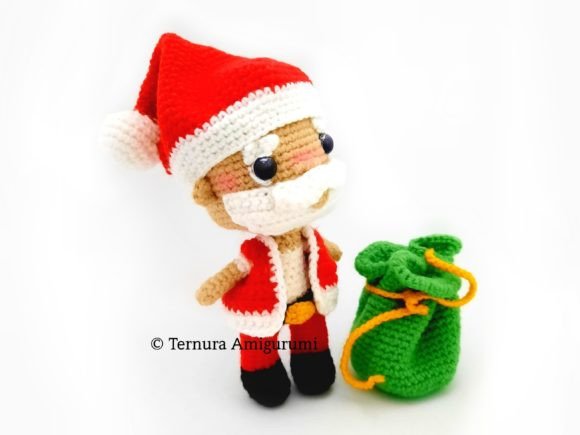
When a client approaches me with a request to build a cohesive visual identity for their upcoming holiday collection, my first instinct is to look beyond the standard stock photography. They want something that feels tactile, warm, and undeniably handmade. This is where I recently pulled Santa Claus Crochet Pattern into my workflow. As a designer who constantly balances aesthetic appeal with commercial viability, I treat every graphic design asset as a potential cornerstone for a brand's narrative. Upon opening this file, the immediate impression was one of nostalgic charm. The texture implied by the stitch work creates a mood that is cozy and inviting, perfectly suited for a boutique brand looking to differentiate itself from mass-market competitors.
The style represented here is distinctly artisanal. It bridges the gap between traditional craft and modern digital application. For a small business owner running a handmade business or an Etsy product shop, this type of illustration signals quality and care. It tells the customer that the brand values tradition. In my review for a real client project—a local bakery launching a limited-edition Christmas cookie line—this asset became the hero graphic for their packaging design. The intricate details of the yarn loops translate beautifully into print, adding a layer of depth that flat vector icons often lack.
Integrating Textured Assets into Modern Brand Identity
In the realm of logo design and brand identity, consistency is key. However, seasonality requires flexibility. Santa Claus Crochet Pattern performs exceptionally well when used as a decorative accent within a larger system. I tested it across various marketing visuals, from social media graphics to physical product labels. On Instagram posts, the texture stands out against clean, minimalist backgrounds, drawing the eye immediately. For Pinterest pins, which rely heavily on vertical imagery and clear focal points, this illustration provides enough visual weight to stop the scroll without overwhelming the text overlay.
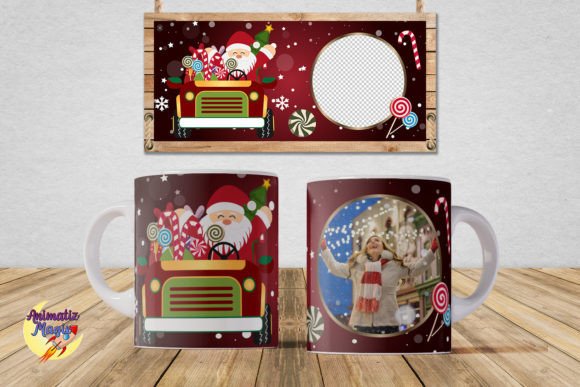
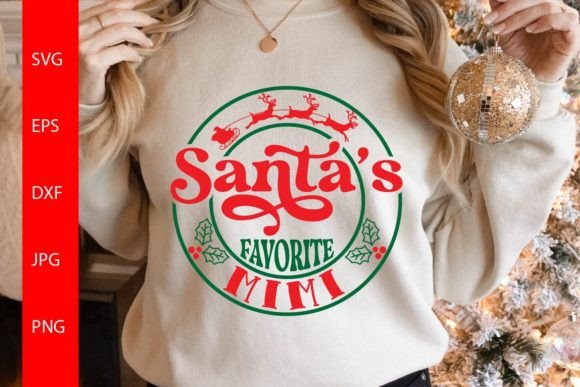
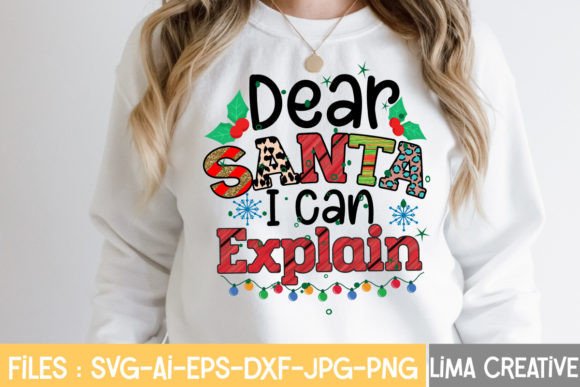
For Cricut users and those involved in print-on-demand ventures, the versatility of this design is a major selling point. Whether applied to a tote bag, a t-shirt design, or a sublimation design for mugs, the pattern holds its integrity. When preparing files for a client's merchandise line, I found that the lines were distinct enough to be cut cleanly as a sticker design or iron-on transfer. It works particularly well in themed collections where the goal is to create a sense of unity across different products. By using this single motif across packaging details, website graphics, and editorial design elements, we created a unified campaign visual that felt intentional and polished.
Strategic Placement and Visual Hierarchy
Understanding where a graphic design asset works best is crucial for maintaining professional standards. Santa Claus Crochet Pattern shines in large layout areas and hero graphics where its texture can be fully appreciated. It is ideal for product mockups that aim to evoke emotion, such as a holiday card or a welcome mat design. In these contexts, the "hand-crocheted" look enhances the emotional appeal and boosts audience engagement. It adds a layer of visual trust; consumers often associate this aesthetic with authenticity, which is invaluable for small business branding.
However, there are scenarios where this asset should be used carefully. In very small sizes, such as a favicon or a tiny footer icon, the intricate stitch details may blur, reducing legibility. It is also less suitable for crowded layouts where it might compete with other complex elements. If a project requires a very clean visual hierarchy, such as a corporate annual report or a minimalist tech brochure, this pattern might feel too busy or informal. Low-contrast designs can also diminish the impact of the texture, so it is essential to pair it with backgrounds that allow the "yarn" to pop.
Technical Considerations for Commercial Design
Before finalizing any creative design for a client, I run a rigorous checklist. First, I test the asset in black and white to ensure the contrast holds up without color reliance. This is vital for newspaper ads or single-color merchandise. Next, I check contrast on both light and dark backgrounds. While Santa Claus Crochet Pattern generally offers good definition, placing it on a busy plaid or a dark navy background required a subtle drop shadow or a backing shape to maintain visibility.
File format inspection is non-negotiable. If the download includes an SVG design, I verify the vector editability to ensure nodes can be adjusted for custom sizing without pixelation. For PNG design files, I inspect the transparency to ensure there are no jagged edges or unwanted white halos around the stitches. Comparing this illustration with other typography styles is also part of the process. It pairs wonderfully with a chunky serif font or a playful handwritten font, but it can clash with ultra-modern sans serif fonts unless the juxtaposition is intentional.
Finally, and perhaps most importantly, I confirm the commercial license. Using a design bundle or a standalone clipart for a client project requires clear rights for commercial use. Whether you are a digital seller creating a Canva template or a publisher working on editorial design, ensuring you have the correct commercial license protects both you and your client. This asset serves as a powerful tool in the creative marketplace, offering a unique blend of tradition and digital convenience. When used with strategic foresight, Santa Claus Crochet Pattern elevates a simple holiday concept into a memorable brand experience, proving that even in a digital world, the touch of the handmade remains irresistible.