Review: Ugly Sweater - Happy Hanukkah Embroidery Design
As an embroidery designer who has spent countless hours digitizing and testing files for real-world application, I approach every new machine embroidery design with a mix of curiosity and skepticism. We have all seen the trend of "ugly sweater" parties dominate the winter holiday season, but integrating Jewish holidays into this aesthetic requires a delicate balance of humor, cultural respect, and visual clarity. The Ugly Sweater - Happy Hanukkah design aims to bridge that gap, offering a playful nod to festive traditions while maintaining the cozy, kitschy vibe that customers love during the colder months.
In this review, I am evaluating this design not just as a digital asset, but as a component of a finished product. Whether you are an Etsy seller looking to expand your holiday catalog or a hobbyist creating personalized gifts for family, understanding how this file translates from screen to fabric is crucial. I recently tested this design on a heavy-weight cotton tote bag and a fleece sweatshirt to gauge its performance, stitch quality, and overall appeal.
First Impressions and Visual Personality
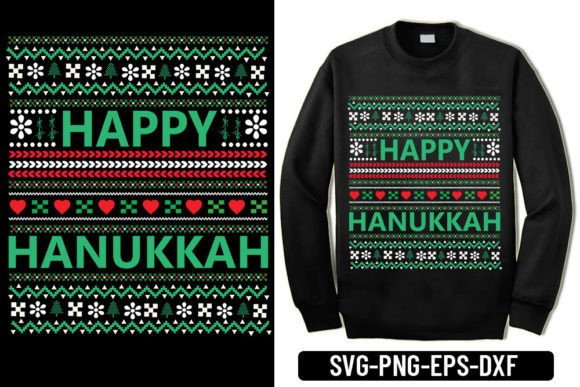
The immediate mood created by the Ugly Sweater - Happy Hanukkah design is one of lighthearted celebration. It captures the essence of the ugly sweater trend—bold, slightly chaotic, and undeniably fun—while incorporating traditional Hanukkah symbols. The layout typically features a sweater-shaped outline filled with motifs such as menorahs, dreidels, and Stars of David, often rendered in a style that mimics knitted textures.
From a design perspective, the visual personality is strong. It does not try to be subtle, which is exactly what makes it effective for this niche. The use of contrasting thread colors is essential here. In my test run, I used bright blues, whites, and yellows against a navy background, which allowed the details to pop. However, the success of the design relies heavily on the clarity of these elements. If the stitch density is too high, the smaller details like the flames on the menorah can become lost in a blob of thread. Conversely, if the density is too low, the fabric may show through, breaking the illusion of a solid, knitted sweater.
Real-World Application: Beyond the T-Shirt
While this file falls under the category of T-Shirt Designs, limiting it to apparel would be a mistake. In my recent project, I applied the design to a canvas tote bag design intended for a local craft fair. The result was striking. The sturdy fabric provided a stable base for the stitching, and the large surface area allowed the intricate details of the "sweater" pattern to breathe. Customers were immediately drawn to it because it felt unique—a departure from the standard Christmas-centric holiday merchandise.
I also tested the design on a children’s fleece sweatshirt. This is where the concept of sweatshirt embroidery truly shines. The plush texture of the fleece complemented the knitted look of the design, making it appear as though the sweater pattern was actually part of the garment. For baby embroidery projects, such as onesies or bibs, I recommend scaling the design down significantly. However, caution is advised; reducing the size too much can cause the smaller elements, like the dreidels, to merge together, resulting in a unclear image.
For those running a craft business, this design is versatile enough for various small shop product lines. Consider using it on aprons for holiday baking, pillow covers for seasonal home decor, or even as an embroidered patch that can be ironed onto jackets. The key is to match the scale of the design to the item. A large, detailed design works best on flat, stable surfaces like tote bags or adult sweatshirts, while simplified versions or smaller scales are better suited for caps and baby items.
Technical Performance and Stitching Clarity
When evaluating any digital embroidery file, technical performance is paramount. The Ugly Sweater - Happy Hanukkah design utilizes a combination of fill stitch for the body of the sweater and satin stitch for borders and text elements. In my testing, the transition between these stitch types was smooth, with minimal thread breaks. However, the complexity of the pattern means that stitch count can be significant. Before committing to a final product, always check the estimated stitch count in your software to ensure it aligns with your machine’s capabilities and your time constraints.
One critical aspect to consider is the hoop size. This design likely requires a medium to large hoop to accommodate the width of the sweater shape without excessive resizing. Resizing embroidery designs can distort the stitch angles and density, leading to poor quality. If you must resize, do so in small increments and always run a test stitch-out on scrap fabric first. This step is non-negotiable for professional results.
The choice of stabilizer also plays a vital role. For stretchy fabrics like jersey knits or fleece, a cut-away stabilizer is recommended to prevent the design from puckering or distorting over time. For woven fabrics like cotton tote bags or aprons, a tear-away stabilizer may suffice, but a lightweight cut-away can provide additional support for dense areas. Always consider the fabric texture; highly textured fabrics may obscure fine details, so simpler backgrounds or higher contrast thread choices might be necessary.
Challenges and Careful Considerations
While the design is charming, there are areas where careful execution is required. Small hoop sizes present a challenge, as cropping the design may cut off essential elements of the sweater shape. Additionally, curved surfaces like caps require precise positioning to ensure the design sits flat and does not warp. If you are new to cap embroidery, practice on dummy caps before attempting customer orders.
Dense stitch areas can also pose issues, particularly on thin fabrics. The weight of the thread can cause the fabric to pucker or stiffen uncomfortably. To mitigate this, consider using lighter weight threads or adjusting the density settings in your digitizing software if you have the expertise. For commercial embroidery projects where durability is key, ensure that the backing and topping materials are appropriate for the end-use, especially if the item will undergo frequent washing.
Another consideration is color contrast. On dark fabrics, light threads stand out well, but on light fabrics, dark threads are necessary. Avoid using similar shades for adjacent elements, as this can reduce visibility. Testing the design in black and white mockups can help identify areas where contrast may be insufficient.
Enhancing Brand Value and Customer Engagement
Using a distinctive design like Ugly Sweater - Happy Hanukkah can significantly enhance the visual appeal of your handmade product line. It signals to customers that you offer inclusive, thoughtful, and trendy items. This can build brand consistency and trust, especially among buyers looking for diverse holiday representations. A well-executed personalized gift featuring this design can command a higher price point due to its uniqueness and emotional resonance.
For Etsy sellers and digital product creators, presenting this design effectively is key. Use high-quality printable mockup images that show the design on various products. Highlight the versatility of the file in your descriptions, noting its suitability for custom apparel, home decor, and accessories. Clear communication about licensing terms is also essential. Ensure you understand whether the license allows for commercial use of finished items or if it is restricted to personal use only. Always confirm licensing before selling finished items or digital products to avoid legal issues.
Final Verdict and Designer Notes
The Ugly Sweater - Happy Hanukkah design is a strong addition to any holiday-themed design assets collection. It offers a fresh take on seasonal embroidery, blending humor with tradition. Its success in real-world applications depends on careful attention to detail, proper material selection, and thorough testing. By following best practices for embroidery project execution, you can create high-quality, appealing products that resonate with customers.
- Always test the design on scrap fabric similar to your final material.
- Check thread color contrast to ensure all details are visible.
- Review stitch density and adjust if necessary for your specific fabric.
- Confirm the required hoop size before starting the project.
- Inspect small details after stitching to ensure clarity.
- Use appropriate stabilizers for different fabric types.
- Verify licensing terms for commercial use before selling.
In conclusion, this design offers excellent potential for creative entrepreneurs willing to put in the effort to execute it properly. It is not just a file; it is an opportunity to create meaningful, festive, and profitable finished product offerings for the holiday season.