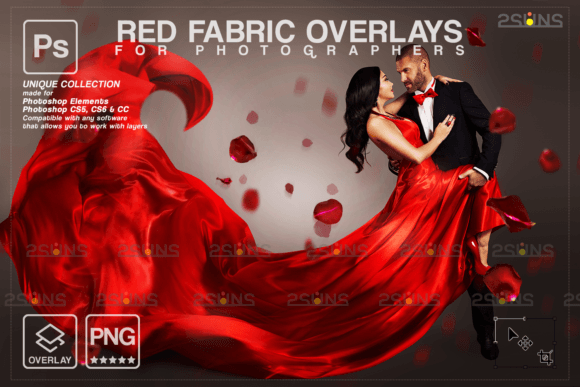
Flying Fabric Overlays: Essential Layer Styles for Crafters
As someone who has spent the last decade running a handmade business, from late-night Cricut sessions to managing high-volume Etsy orders, I know that the difference between a product that sells and one that sits on the shelf often comes down to presentation. When I first opened the Flying Fabric Photoshop Overlays, my immediate thought wasn't just about the digital file itself, but about the tangible mood it would bring to my physical inventory. This graphic design asset exudes a sense of movement and whimsy that feels incredibly current. It strikes a perfect balance between playful and premium, suggesting a style that is both approachable for hobby makers and sophisticated enough for high-end boutique branding.
The visual personality of these overlays suggests a lightness and airiness that is hard to achieve with standard flat designs. For a seller preparing a seasonal collection, this asset immediately brings to mind spring markets, baby showers, or a "dream big" themed line of apparel. The flowing nature of the fabric elements creates a dynamic backdrop that can elevate a simple text-based design into a full illustration. If you are targeting customers who love boho-chic aesthetics, feminine details, or soft, decorative accents, this is the kind of tool that stops the scroll on social media and draws eyes to your craft fair booth.
Integrating Motion into Static Handmade Products
The real test for any digital product is how it translates from the screen to the substrate. In my workflow, I imagined using these overlays for a batch of custom sublimation tumblers. The way the fabric elements drape and flow offers a fantastic opportunity to wrap a design around a cylindrical surface without it looking disjointed. When applied as a sublimation design, the gradients and shadows within the Flying Fabric Photoshop Overlays add depth that flat vector art often lacks. This is particularly useful for tumbler wraps where you want the design to feel like part of the object rather than just stuck on top.
For those of us deeply embedded in the vinyl cutting world, the application requires a bit more strategic thinking. While these are primarily Photoshop assets, they serve as incredible inspiration for creating complex SVG design layers. By tracing the organic curves of the flying fabric, you can create multi-layered Cricut projects or Silhouette projects that mimic the look of draped cloth using different shades of heat transfer vinyl (HTV). Imagine a t-shirt design where the base layer is a dark navy, the mid-tone is a soft blue, and the highlight is a crisp white; the result is a textured, dimensional look that customers perceive as higher value.
Beyond apparel and drinkware, these overlays are a goldmine for paper goods. I can easily see them being used to create stunning greeting cards or gift tags where the fabric element serves as a border or a background accent. For sticker design, especially die-cut stickers, the organic shapes provide a unique silhouette that stands out against the typical geometric or circular stickers flooding the market. They work beautifully as printable design elements for planner pages, adding a touch of elegance to weekly spreads without overwhelming the writing space.
Strategic Placement for Maximum Impact
Knowing where to deploy these assets is just as important as knowing how to use them. The Flying Fabric Photoshop Overlays shine brightest in product mockup creation. If you are selling digital products or need to showcase your physical goods online, placing your logo or main motif over these flowing fabrics creates an instant professional atmosphere. They are ideal for small business branding packages, specifically for headers on Etsy shops or watermarks on Instagram posts. The aesthetic leans towards the decorative and artistic, making it perfect for seasonal craft bundles focused on holidays that celebrate freedom, flight, or softness, such as Mother's Day or Easter.
However, a word of caution from experience: not every project benefits from high-detail overlays. You must use care when applying these to very small items. If you are designing small sticker sizes or intricate vinyl cutting files for tiny jewelry tags, the fine lines and subtle gradients of the flying fabric might get lost or muddy. In crowded compositions, these overlays can compete with your main text, reducing readability. Always ensure there is sufficient low-contrast colors management; if your fabric overlay is too similar in tone to your background material, the effect vanishes. For layered vinyl projects, simplify the design. Do not try to cut every single fold of the fabric; instead, capture the essence of the shape to ensure clean, readable results for your customer.
Practical Notes for the Serious Maker
Before you list a new item in your Etsy product lineup or commit to a large run for a craft fair, there are technical boxes you need to check. First, always test the file on the actual material you intend to use. A design that looks vibrant on an RGB screen may print differently on cotton versus polyester. If you are using this for print-on-demand services, confirm the resolution is high enough for large format printing to avoid pixelation.
When adapting these Photoshop overlays for cutting machines, you will likely need to trace them into vectors. During this process, check if SVG lines are clean. Jagged edges on a smooth fabric curve look amateurish. Additionally, preview PNG transparency carefully to ensure there are no unwanted white halos around the edges when placed on dark products. Color accuracy is paramount; test colors before printing to ensure the mood remains consistent with your brand identity.
Typography pairing is another critical factor. The fluid nature of the Flying Fabric Photoshop Overlays pairs exceptionally well with script font or handwritten font styles that mimic the same organic movement. However, for a modern twist, try contrasting it with a bold sans serif font or a classic serif font to ground the design. Avoid overly decorative display font styles that might clash with the intricacy of the fabric. Finally, and perhaps most importantly, confirm commercial licensing. Ensure your license covers commercial design usage for physical goods and handmade business sales. These assets are powerful tools for growth, but they must be used within the legal boundaries of the creative marketplace.
In conclusion, the Flying Fabric Photoshop Overlays are more than just a pretty picture; they are a versatile component for the modern maker's toolkit. Whether you are crafting a one-off mug design for a friend or building a comprehensive design bundle for your shop, these Layer Styles offer a pathway to creating depth, emotion, and professional polish in your handmade products.