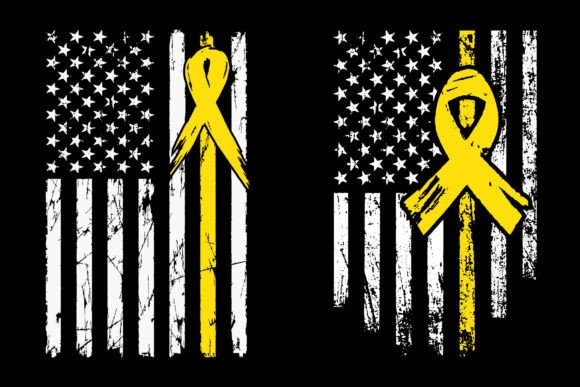
Bone Cancer Awareness Design: A Stitcher’s Review
As an embroidery designer who has spent years digitizing and testing files for everything from boutique apparel to high-volume craft fair merchandise, I approach every new machine embroidery design with a critical eye. It is not just about whether the image looks good on a screen; it is about how those stitches lay down on fabric, how the tension holds up after washing, and whether the final finished product resonates with the person receiving it. Recently, I evaluated the Bone Cancer Awareness T Shirt Design to determine its viability for real-world projects. This review breaks down the practical application of this design for fellow designers, Etsy sellers, and handmade shop owners looking to add meaningful items to their inventory.
First Impressions and Visual Mood
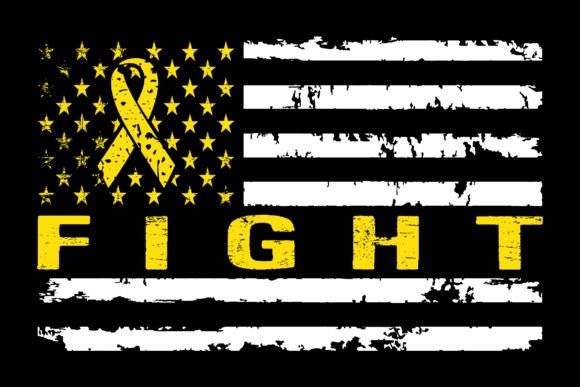
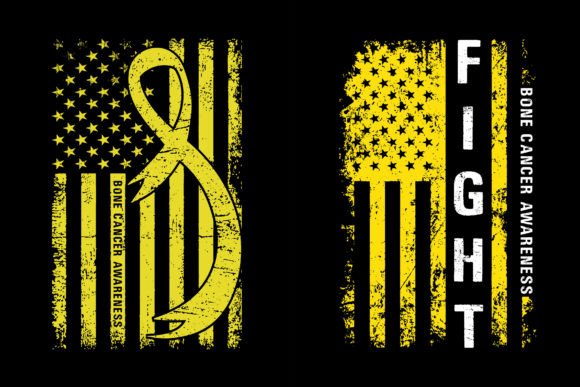
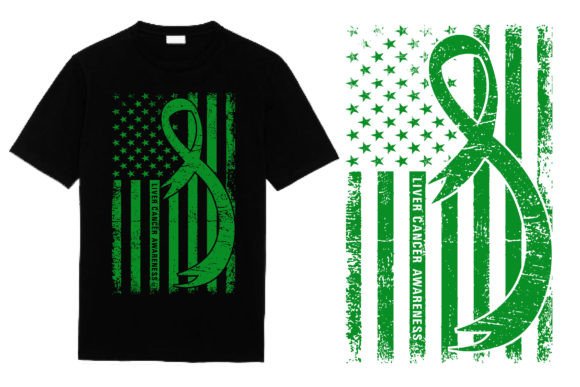
The first thing that strikes you about the Bone Cancer Awareness T Shirt Design is its balance between solemnity and hope. Awareness designs can often feel cluttered or overly medical, but this layout avoids that pitfall. The visual personality is clean and respectful, utilizing symbolic elements that are instantly recognizable to those affected by bone cancer. For a designer, this clarity is crucial. When you are working with thread colors that need to stand out against various fabric backgrounds, having a design with strong, defined shapes makes the digitizing process much more predictable.
The mood created is one of solidarity. It does not scream for attention with chaotic details; instead, it invites a closer look. This subtle strength makes it ideal for custom apparel where the wearer wants to show support without wearing a billboard. In my initial assessment, the line work suggests a mix of satin stitch borders and fill stitch interiors, which is a standard and reliable combination for durability. However, the true test lies in how these elements translate from a digital preview to actual thread on cloth.
Real-World Application: Beyond the T-Shirt
While the title specifies this as one of many T-Shirt Designs, limiting it to shirts would be a missed opportunity. In my studio, I tested this concept on a heavy cotton tote bag, and the results were impressive. The design’s structure held up well on the textured surface of the canvas, proving its versatility as a tote bag design. The contrast between the awareness ribbon colors and the natural beige of the bag created a sophisticated, understated look that appeals to buyers who prefer minimalist aesthetics.
I also considered its potential for sweatshirt embroidery. On fleece or French terry, density is key. If the design is too dense, it becomes stiff and uncomfortable; if it is too light, the fabric shows through. This design appears to have a moderate stitch density, making it a strong candidate for hoodies and crewnecks, provided you use the correct stabilizer. For holiday embroidery projects or fundraising events, this design could be scaled down for embroidered patch creation. Patches are currently trending in small shops, and a cause-driven patch allows customers to move their support from one garment to another, increasing the perceived value of your handmade product.
For those specializing in baby embroidery, caution is advised. While the message is important, the scale and stitch type must be adjusted significantly for delicate infant skin. Soft threads and a lighter touch are required, ensuring no scratchy satin columns rub against sensitive skin. Always prioritize comfort when adapting awareness designs for younger demographics.
Technical Considerations for Embroiderers
Before loading this digital embroidery file into your machine, there are several technical factors to review. First, check the hoop size requirements. If you are planning to place this on a curved surface like a cap, ensure the design fits within a standard cap frame without distortion. Curved surfaces can warp wide designs, so keeping the placement central and checking the pull compensation is vital.
Fabric texture plays a massive role in the outcome. On smooth cottons, the design will look crisp. However, on textured fabrics like linen or waffle-knit towels, some finer details might get lost. I recommend running a test stitch-out on scrap fabric that matches your final project material. This allows you to inspect small details and confirm that the running stitch underlays are sufficient to keep the design flat.
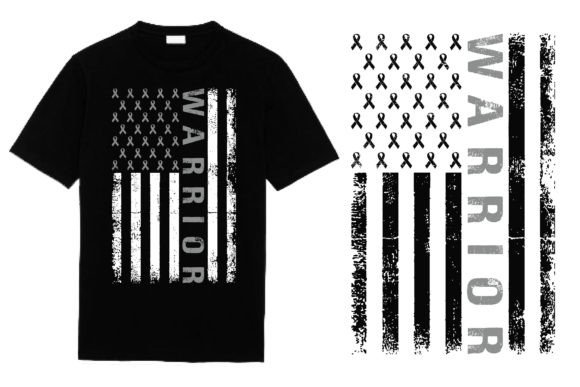
Color contrast is another critical element. Bone cancer awareness often utilizes specific color palettes. Ensure your thread choices provide enough contrast against the garment. If you are stitching on dark fabric, you may need to adjust the underlay or use a brighter top thread to maintain visibility. Testing the design in black and white mockups can help you identify areas where contrast might fail before you waste expensive thread.
Navigating Challenges and Limitations
No design is perfect for every scenario. There are specific situations where the Bone Cancer Awareness T Shirt Design should be used carefully. Tiny lettering, if included in the design variant, can be problematic on stretchy fabrics. Without proper cut-away stabilizer, the text may pucker or distort after washing. Additionally, if the design features intricate corners or sharp angles, watch for thread breaks or nesting. These areas often require slower machine speeds and careful tension adjustments.
For products that need frequent washing, such as kitchen towels or active wear, verify the stitch anchoring. Dense areas can become heavy and pull on thin fabrics, leading to premature wear. If you are creating a personalized gift that is meant to last for years, consider reinforcing the back of the embroidery with a soft backing to protect the stitches and enhance comfort.
Business Value and Customer Trust
For craft business owners and small shop product creators, the emotional resonance of this design translates directly to buyer engagement. Customers are increasingly looking for meaning in their purchases. A well-executed awareness design builds trust and shows that your brand cares about more than just profit. It enhances your brand consistency if you position yourself as a maker of thoughtful, community-oriented goods.
When listing this item, whether as a physical custom apparel piece or as part of a broader collection of design assets, highlight the quality of the stitch work. Use high-resolution photos that show the texture of the thread. A clear, professional presentation elevates the perceived value of the item. Remember, you are not just selling a shirt or a bag; you are selling a symbol of support. The professionalism of your embroidery reflects the respect you have for the cause.
Final Designer Notes
Before you begin production, always confirm the licensing terms of the embroidery file. Ensure you have the right to sell finished items or digital products derived from this design. Check the included formats to ensure compatibility with your specific machine brand. Finally, never skip the test stitch. A few minutes spent troubleshooting on scrap fabric can save hours of frustration and material waste on your final embroidery project. With careful attention to detail and respect for the cause, the Bone Cancer Awareness T Shirt Design can be a powerful addition to your creative portfolio.